Psychiatrist in Andheri: Understanding Your First Psychiatric Consultation
By Dr Naazneen

Taking the first step towards mental healthcare can feel unfamiliar. You may have questions about what to discuss, how the consultation will work, or whether you need to prepare anything before meeting a psychiatrist. These concerns are common, particularly if you have never attended a psychiatric consultation before.
A psychiatric consultation is an opportunity to discuss what you have been experiencing, understand possible reasons behind your concerns and explore appropriate treatment options. It is not about being judged or expected to have all the answers. The purpose is to understand your individual needs and determine what kind of professional support may be helpful.
If you are looking for a psychiatrist in Andheri or a psychiatrist in Andheri West, knowing what to expect during your first appointment can help you feel more prepared and comfortable.
At Mind Tree, Dr. Naazneen Ladak provides psychiatric consultations in Andheri, Mumbai, for adults and children experiencing a range of mental health concerns.
What Is a Psychiatric Consultation?
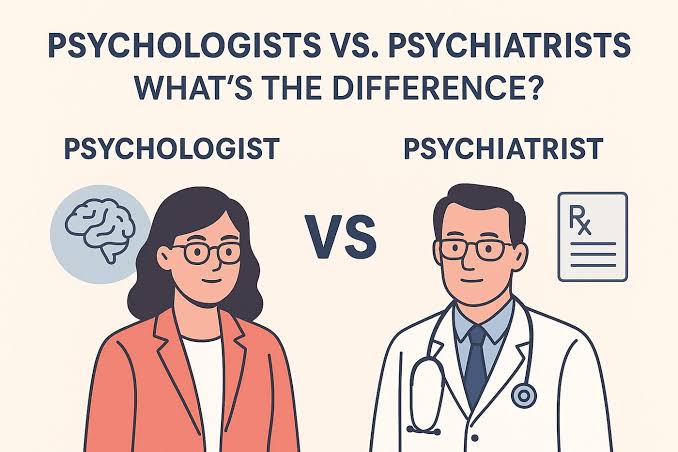
A psychiatric consultation is an appointment with a medical doctor who specialises in mental health. During the consultation, the psychiatrist works to understand your symptoms, personal circumstances, medical history and how your concerns affect everyday life.
People seek psychiatric consultations for different reasons. Some may be dealing with persistent anxiety or low mood, while others may be experiencing sleep difficulties, changes in behaviour, problems with concentration or emotional challenges that are becoming difficult to manage.
A consultation can help assess concerns related to:
Anxiety and persistent worry
Depression and prolonged low mood
Obsessive-compulsive disorder (OCD)
Attention-deficit/hyperactivity disorder (ADHD)
Sleep-related difficulties
Mood and behavioural changes
Child and adolescent mental health
Addiction and substance-related concerns
Experiencing one or more of these symptoms does not automatically mean you have a particular mental health condition. A professional assessment helps explore the possible causes and determine the next steps.

When Should You Consider Seeing a Psychiatrist?
You do not necessarily have to wait until your symptoms become severe before seeking help. Consider speaking with a mental health professional when emotional, behavioural or psychological difficulties persist or begin affecting your everyday functioning.
You may consider a psychiatric consultation if you have been experiencing:
Persistent sadness, emptiness or loss of interest in activities
Anxiety or worry that feels difficult to manage
Repeated panic attacks or intense fear
Changes in sleep, appetite or energy levels
Difficulty concentrating or completing everyday tasks
Irritability or significant changes in mood
Repetitive thoughts or behaviours that cause distress
Emotional difficulties affecting work, studies or relationships
Sometimes, it can be difficult to identify what is causing these changes. A psychiatrist can assess your symptoms in context rather than relying on assumptions or online self-assessments.
Seeking professional guidance is a way to understand your concerns and explore available support.
What Happens During Your First Psychiatric Consultation?
Your first appointment generally focuses on understanding your concerns and gathering relevant information about your mental health and overall wellbeing. The exact process may vary depending on your symptoms, medical history and individual needs.
1. Discussing Your Main Concerns
The consultation usually begins with a conversation about what has brought you to the appointment.
Your psychiatrist may ask what you have been experiencing, what feels difficult at the moment and whether anything has changed recently.
You do not need to know the exact name of your symptoms or arrive with a diagnosis. It is enough to explain what you have noticed and how it has been affecting you.
For example, you might describe feeling anxious most days, struggling to sleep, losing interest in activities or finding it increasingly difficult to concentrate.
2. Understanding Your Symptoms and History
Your psychiatrist may ask when your symptoms began, how frequently they occur and whether anything seems to make them better or worse.
The discussion may include your sleep patterns, appetite, daily routine, work or academic responsibilities, relationships and recent life events.
You may also be asked about previous mental health concerns, medical conditions, family history and any treatment you have received in the past.
These questions help build a broader understanding of your situation. If you are unsure about a particular detail, it is okay to say so.
3. Discussing Your Medical History and Medication
Mental health symptoms can sometimes be influenced by physical health conditions, medications, sleep problems or substance use.
For this reason, your psychiatrist may ask about existing medical conditions, medicines you currently take, previous prescriptions and other relevant health information.
If you have previous prescriptions, medical reports or details of earlier treatment, bringing them to your appointment can be useful.
Share information as accurately as you can. It helps your psychiatrist consider your needs and make informed decisions about further assessment or treatment.
4. Exploring Possible Explanations
After discussing your concerns and history, your psychiatrist may explain what the symptoms could indicate and whether further assessment is needed.
In some cases, a possible diagnosis may become clearer during the first appointment. In others, more information, observation or additional assessment may be necessary.
A responsible psychiatric assessment considers the full picture rather than relying on a single symptom.
The aim is to understand your concerns and identify an appropriate way forward.
5. Discussing Treatment Options
Once your psychiatrist has assessed your concerns, they may discuss suitable treatment options with you.
Depending on your needs, these could include medication, psychotherapy or counselling, behavioural strategies, lifestyle changes or a combination of approaches.
Not everyone requires medication, and treatment is not the same for every person. Decisions depend on the assessment, symptoms, clinical needs and relevant medical considerations.
You can ask questions about the available options, their purpose, possible benefits and risks, and what follow-up care may involve.
How Should You Prepare for Your First Psychiatric Appointment?
You do not need to prepare a formal presentation or organise every detail of your life before your consultation. A few simple steps can help you make the most of the appointment.
Write down your main concerns. If you find it difficult to explain everything during a conversation, make a short list of the symptoms or changes you have noticed.
Think about when the symptoms started. An approximate timeline can help your psychiatrist understand how your concerns have developed.
Bring relevant medical information. Keep a list of current medications, previous prescriptions and relevant medical reports, if available.
Consider how your daily life has been affected. You may find it helpful to reflect on changes in sleep, work, studies, relationships or everyday activities.
Prepare your questions. You can ask about the assessment process, possible treatment options, follow-up appointments or any concerns you have about medication.
Most importantly, try to be open about what you are experiencing. You are not expected to explain everything perfectly in your first appointment.
Does a First Psychiatric Consultation Always Lead to Medication?
No. A psychiatric consultation does not automatically mean that you will be prescribed medication.
Treatment depends on the individual’s symptoms, clinical assessment, medical history and needs. In some situations, psychotherapy or counselling may be appropriate. In others, medication may be recommended, or a combination of treatment approaches may be considered.
If medication is prescribed, your psychiatrist should explain its intended purpose, how it should be taken, possible side effects and the importance of follow-up.
Do not start, stop or change prescribed psychiatric medication without discussing it with your treating doctor.
How Long Does a Psychiatric Consultation Take?
The duration of a psychiatric consultation can vary depending on the complexity of your concerns, your medical history and the assessment required.
A first appointment may involve a more detailed discussion than a follow-up visit because your psychiatrist needs to understand your background and current symptoms.
If you have several concerns, it may help to note the most important ones beforehand so that you can discuss them during the appointment.
For information about appointment availability and consultation arrangements, contact the clinic directly.
What Happens After the First Consultation?
The next steps depend on what your psychiatrist learns during the assessment.
You may receive an initial treatment plan, recommendations for further assessment or guidance on the next appointment. If treatment is started, follow-up visits may be recommended to review your progress, discuss any difficulties and adjust the plan when clinically appropriate.
Mental healthcare is not always a one-appointment process. Some concerns require ongoing assessment and support, while the frequency of follow-up depends on individual needs.
If something changes between appointments or you experience concerns about your treatment, discuss them with your treating professional.
Finding a Psychiatrist in Andheri West
If you live or work in Andheri, Andheri West, Juhu, Oshiwara or nearby areas, choosing an accessible clinic may make attending appointments and follow-ups more convenient.
When looking for a psychiatrist in Andheri West, consider the doctor’s qualifications, experience, areas of clinical practice and whether you feel comfortable discussing your concerns during consultations.
Mind Tree offers psychiatric care in Andheri, Mumbai, with Dr. Naazneen Ladak. The practice provides assessment and treatment for a range of mental health concerns in adults and children.
Choosing a psychiatrist is a personal decision. It is important to find professional care that is appropriate for your needs and allows you to discuss your concerns openly.
Why Consider Mind Tree for Psychiatric Consultation in Andheri?
Mind Tree provides psychiatric consultations in Andheri, Mumbai, under the care of Dr. Naazneen Ladak.
Dr. Ladak’s clinical practice includes assessment and treatment for concerns such as anxiety, depression, OCD, ADHD and other psychiatric conditions, as well as mental health concerns affecting children and adolescents.
If you are considering your first psychiatric appointment, you can contact Mind Tree to enquire about consultation arrangements and discuss the next steps for seeking professional care.
To learn more about the clinic and its services, visit the Mind Tree website.
Frequently Asked Questions
What should I tell a psychiatrist during my first appointment?
Start with what has been troubling you, when you first noticed it and how it affects your daily life. Your psychiatrist may ask about your symptoms, sleep, medical history, medications and previous treatment. You do not need to arrive with a diagnosis.
Do I need a referral to consult a psychiatrist in Andheri?
Referral requirements can vary by provider and circumstances. Contact the clinic directly to confirm whether you can book an appointment without a referral and what information you should bring.
Can I visit a psychiatrist in Andheri West for anxiety or depression?
Yes. A psychiatrist can assess symptoms associated with anxiety, depression and other mental health concerns, determine whether further evaluation is needed and discuss appropriate treatment options.
Will the psychiatrist diagnose me during the first consultation?
A diagnosis may be possible during the first appointment, but not in every case. Your psychiatrist may need additional information, follow-up discussions or further assessment before reaching a conclusion.
Should I bring previous prescriptions to my first psychiatric consultation?
If you have previous prescriptions, medical reports or details of earlier mental health treatment, bringing them can help your psychiatrist understand your history and consider appropriate care.
How do I book a psychiatric consultation at Mind Tree?
Visit the Mind Tree website or contact the clinic directly to enquire about appointments with Dr. Naazneen Ladak in Andheri, Mumbai.