Can AI Fill the Therapist’s Chair? A Psychiatrist’s Perspective (2025 Guide)
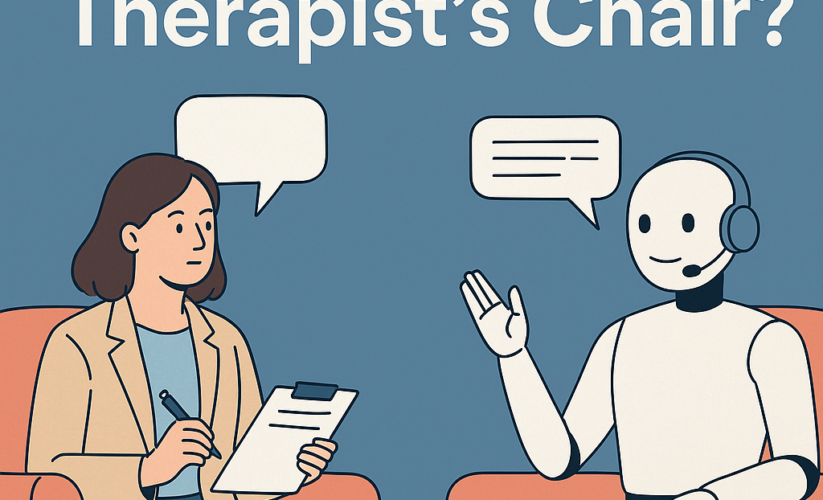
Artificial Intelligence (AI) is transforming every industry — from healthcare to education — and now it’s stepping into the world of mental health. With chatbots, virtual assistants, and AI-powered wellness apps becoming increasingly popular, many people are asking one important question:
“Can AI replace human therapists?”
As a practicing psychiatrist, the answer is both yes and no — and the truth lies in understanding what AI can and cannot do.
This blog explores whether AI can ever truly fill the therapist’s chair, and what this means for the future of mental health care.
What AI Can Do Well in Mental Health
AI has made remarkable progress in supporting emotional and mental well-being. While it cannot replace human therapists, it can assist, enhance, and expand access to mental health support.
1. Immediate, 24/7 Support
AI tools offer instant responses, unlike traditional therapy, which runs on appointments.
This makes AI helpful for:
- Immediate reassurance
- Daily check-ins
- Mood tracking
- Managing mild stress or loneliness
2. Data-Driven Insights
AI can analyse:
- Mood patterns
- Sleep cycles
- Language cues
- Behavioral trends
This helps therapists and psychiatrists get deeper insights into a patient’s emotional state.
3. Reducing Stigma
Many people hesitate to talk to a therapist due to fear of judgment. AI offers:
- A non-judgmental environment
- Complete anonymity
- A safe space for first-time users
4. Early Screening & Self-Assessment
AI tools can screen for:
- Anxiety
- Depression
- Burnout
- ADHD indicators
- Mood disorders
These screenings can help people understand their emotional health sooner and seek early professional treatment.
What AI Cannot Do (And Why Humans Are Irreplaceable)
Despite its strengths, AI cannot replace the depth, compassion, and therapeutic connection humans provide.
1. AI Cannot Offer Human Empathy
Therapy is built on:
- Trust
- Understanding
- Emotional resonance
- Subtle non-verbal cues
- Shared human experience
AI cannot replicate the warmth, empathy, or meaningful silence of a real therapist.
2. AI Cannot Treat Complex Mental Disorders
Conditions like:
- Bipolar disorder
- Schizophrenia
- Severe depression
- Trauma
- Addiction
- PTSD
require diagnosis, medication, judgement, and personalized care — things only mental health professionals can offer.
3. AI Cannot Understand Culture, Values, or Personal Context
Human therapists understand:
- Family dynamics
- Emotional triggers
- Cultural beliefs
- Social nuances
- Personal history
AI depends solely on data, not real-world lived experience.
4. AI Cannot Replace Crisis Intervention
In critical situations (self-harm, panic attack, psychotic episode), only trained professionals can safely intervene.
AI may offer “supportive” responses, but it cannot take emergency action or provide real-time medical judgement.
The Future: AI + Therapists Working Together
Instead of replacing therapists, AI is becoming an assistant, improving the quality of care.
How AI Supports Therapists
- Tracks patient progress between sessions
- Helps in early detection of mental health issues
- Provides homework exercises and reminders
- Enhances therapy with data insights
- Makes mental healthcare more accessible
How Patients Benefit
- Faster support
- Lower cost options
- Better follow-up between sessions
- Personalized wellness planning
- Enhanced accuracy in diagnosis
AI is not here to take the therapist’s chair — it’s here to pull up an extra chair next to the therapist and help.
When Should You Choose a Human Therapist Instead of AI?
You should always see a psychiatrist or therapist when:
- Symptoms affect daily functioning
- Anxiety or depression lasts more than 2 weeks
- You experience panic attacks
- Your emotions feel overwhelming
- You face trauma, grief, or relationship distress
- You struggle with addiction
- You need medication or structured therapy
AI may help you manage, but healing requires human connection and professional guidance.
Conclusion: AI Is a Tool — Not a Therapist
AI is powerful, intelligent, and supportive — but it lacks the human heart needed for true emotional healing.
The real future of mental health care lies in combining AI technology with the expertise and empathy of psychiatrists and therapists.
AI can guide you.
AI can support you.
But only a trained mental health professional can truly treat, heal, and understand you.
If you’re seeking compassionate, personalized, and expert psychiatric care, Dr. Naazneen Ladak is here to support your journey toward emotional well-being.