Brain Rot” Isn’t Just a Joke, Here’s What’s Actually Happening to Your Brain
By Dr Naazneen

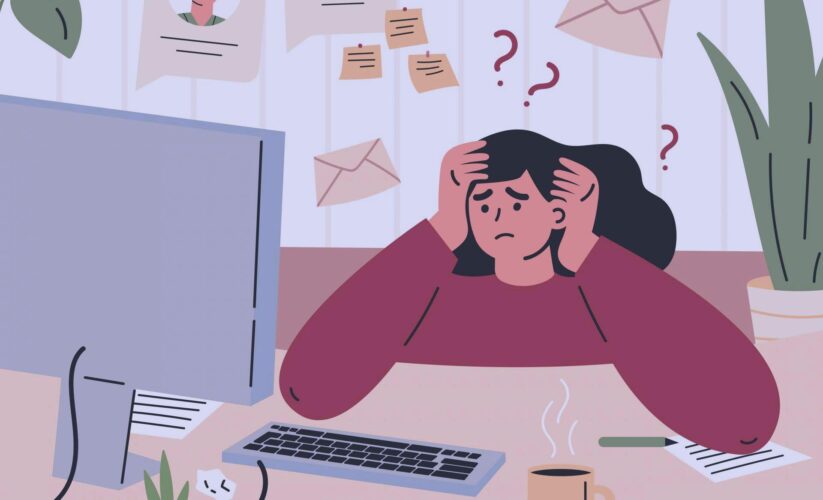
You open your phone to check one notification. Forty minutes later, you surface from a scroll hole with zero memory of what you actually watched, feeling foggier than before you started. You call it “brain rot” as a joke. Clinically? You’re not far off.
“Brain rot” became one of the most searched mental-health-adjacent terms of the last two years for a reason — it names something a lot of us feel but couldn’t quite explain: a mind that feels overstimulated, understimulated, and exhausted, all at once.
What “Brain Rot” Actually Means, Clinically
There’s no diagnosis called “brain rot” — but the pattern behind the meme is real and well documented. Constant, rapid-fire, low-effort content (think: endless short videos) trains your brain to expect a reward every few seconds. Over time, this can:
- Shorten your attention span for anything that takes sustained focus
- Make ordinary tasks (reading, working, even conversations) feel unusually hard to stay present for
- Increase restlessness when you’re not stimulated — silence starts to feel uncomfortable
- Disrupt sleep, since screens right before bed keep the brain in “alert” mode
It’s less “rot” and more dopamine recalibration — your brain adjusting its reward threshold to match a very fast, very loud environment.

Why This Is Genuinely a Mental Health Issue, Not Just a Habit
I see this constantly in my practice, especially with people who are convinced they suddenly have ADHD, or that they’ve “lost their ability to focus.” Often, what’s actually happening is a nervous system stuck in constant low-grade overstimulation — which can look a lot like anxiety, and can absolutely make an existing anxiety or attention issue worse.
This overlaps closely with something I’ve written about before: why the mind won’t stop overthinking — because a scroll-fatigued, overstimulated brain and an overthinking brain are often feeding off each other. Digital overload doesn’t just cost you attention; it feeds the exact anxious loop that keeps you up at night.
Signs Your “Brain Rot” Might Need More Than a Digital Detox
A weekend off your phone can help. But it’s worth talking to a professional if you’re noticing:
- Persistent difficulty concentrating, even when you want to focus
- Feeling emotionally flat, numb, or oddly disconnected after long scroll sessions
- Sleep that’s consistently disrupted by screen use
- Anxiety or irritability spiking when you’re without your phone
- These patterns lasting weeks, not just a bad few days
None of this means something is “wrong” with you — it means your brain has adapted to an environment it wasn’t built for, and it can be recalibrated with the right support.
What Actually Helps
- Scheduled “boring” time — genuinely unstimulating time (no phone, no multitasking) daily, even 10–15 minutes, retrains your tolerance for stillness
- One-task focus blocks — single-tasking rebuilds attention span the way exercise rebuilds a muscle
- Screen curfews before bed — protects both sleep and next-day focus
- Naming the pattern — recognizing “this is overstimulation, not laziness” reduces the shame that usually makes it worse
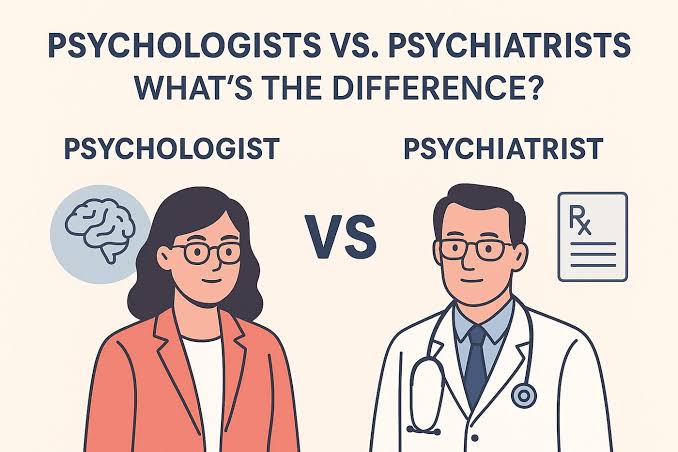
- Professional support — if focus, mood, or sleep are genuinely impaired, therapy or a clinical assessment can identify what’s driving it and address it properly
The Bottom Line
“Brain rot” might have started as an internet joke, but the exhaustion, restlessness, and foggy focus behind it are real — and treatable. You don’t have to just accept a shorter attention span as the cost of modern life. If this has been affecting your focus, mood, or sleep for a while, Mind Tree offers confidential psychiatric consultations in Mumbai to help you get your mind back.
If digital overload is tied to ongoing low mood, anxiety, or thoughts of self-harm, please reach out to a mental health professional or crisis helpline — support is available.