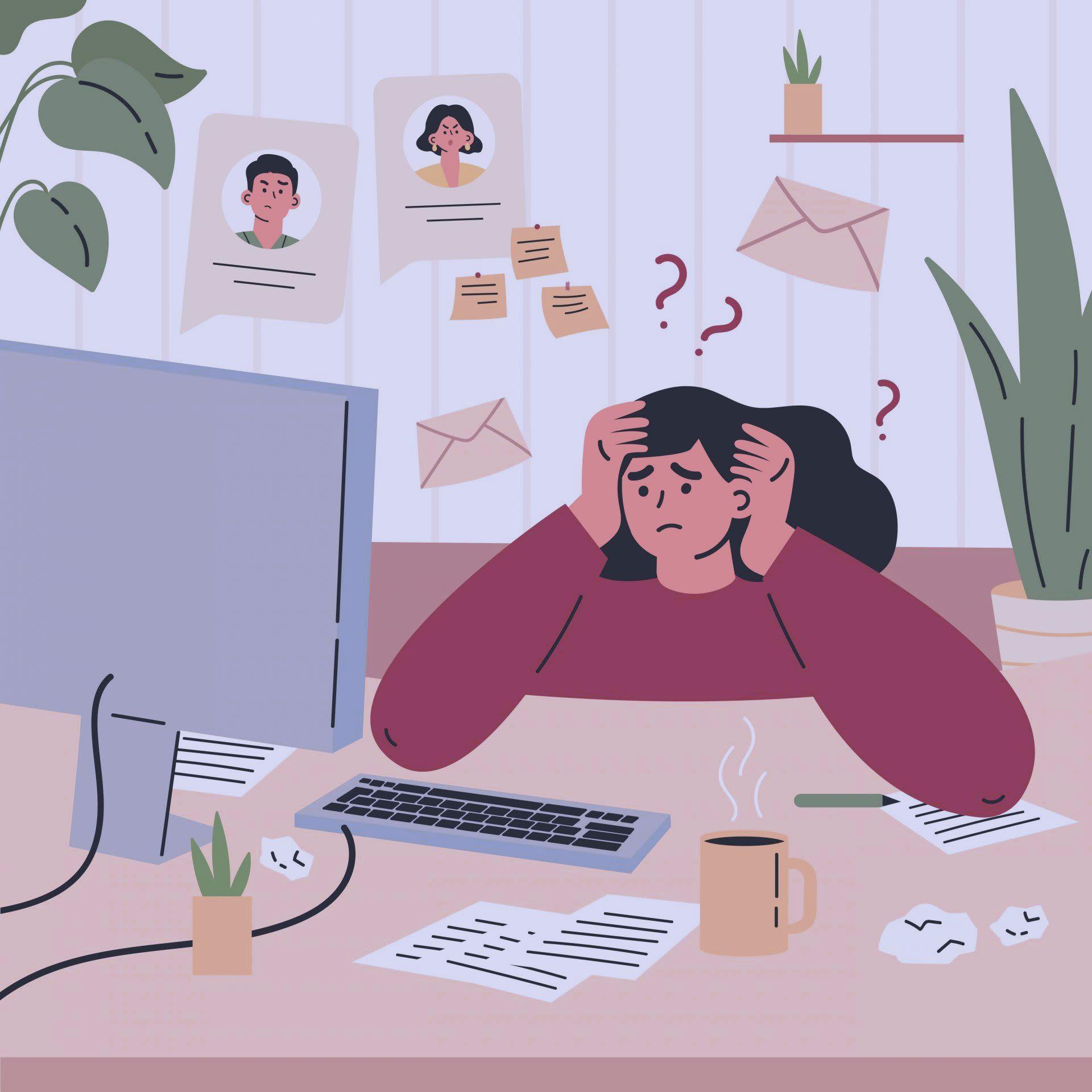
Decision Fatigue: Why Even Choosing Dinner Feels Exhausting
By Dr Naazneen
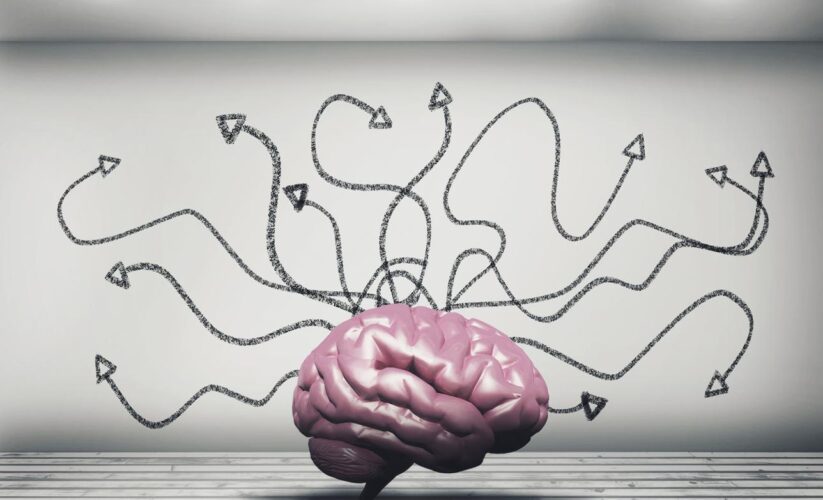
“What should we eat tonight?”
It seems like one of the simplest questions you’ll hear all day.
Yet, after hours of work, meetings, notifications, messages, and responsibilities, that single question can feel surprisingly overwhelming.
If you’ve ever stood in front of the refrigerator unable to decide what to cook, scrolled through food delivery apps for twenty minutes without ordering anything, or postponed small decisions simply because you were mentally tired—you are not alone.
As a psychiatrist, I often meet people who believe they have become lazy or indecisive. But what they are experiencing is something psychology calls decision fatigue.
It isn’t a lack of intelligence or motivation.
It’s a sign that your brain has been working hard all day.
What Is Decision Fatigue?
Decision fatigue refers to the gradual decline in the quality of decisions after making many choices throughout the day.
From the moment you wake up, your brain starts making decisions.
Should I wake up now or snooze?
What should I wear?
Tea or coffee?
Reply to this email first or attend that meeting?
Which task should I finish today?
Should I go to the gym or skip it?
Individually, these decisions seem insignificant.
Collectively, they consume mental energy.
By evening, your brain has already processed hundreds of choices, making even simple decisions feel disproportionately difficult.

Your Brain Wasn’t Designed for Endless Choices
Modern life offers more choices than ever before.
Twenty brands of toothpaste.
Hundreds of shows to watch.
Thousands of restaurants to order from.
Unlimited scrolling.
Constant notifications.
While choice gives us freedom, it also increases the brain’s workload.
Every decision requires attention, evaluation, comparison, and self-control.
Eventually, the brain begins looking for shortcuts.
That’s why you may notice yourself saying:
“Whatever.”
“You decide.”
“I’ll do it tomorrow.”
Not because you don’t care.
Because you’re mentally tired.
Signs You May Be Experiencing Decision Fatigue
Decision fatigue doesn’t always look dramatic.
Sometimes, it quietly shows up in your daily routine.
You may notice that:
- Choosing what to eat feels overwhelming.
- You procrastinate even small tasks.
- You avoid making important decisions.
- You become impatient with simple questions.
- Online shopping takes much longer than it should.
- You keep postponing decisions because “I’ll think later.”
- You rely on others to decide for you.
These are not necessarily signs of a mental illness.
They can simply indicate that your mental resources are depleted.
Why Decision Fatigue Matters
When our minds become overloaded, we don’t just make fewer decisions—we often make poorer ones.
Research suggests that mental fatigue can influence attention, self-control, and judgment. That is one reason people may find themselves reaching for convenient rather than intentional choices at the end of a long day.
Examples include:
- Ordering unhealthy food despite wanting to cook.
- Spending impulsively online.
- Staying up late scrolling instead of sleeping.
- Putting off important conversations.
- Delaying medical appointments or personal goals.
The issue isn’t willpower.
It’s mental energy.
The Hidden Sources of Decision Overload
Many people assume work is the biggest cause.
In reality, decision fatigue comes from multiple directions.
Digital Choices
Every notification asks your brain to decide whether to respond.
Every app competes for your attention.
Every email requests action.
Emotional Decisions
Should I confront this person?
Should I reply now?
Did I say the wrong thing?
These invisible emotional choices are mentally demanding.
Everyday Responsibilities
Parents.
Caregivers.
Managers.
Students.
Business owners.
Many people spend their day making decisions for others before they even think about themselves.
How to Reduce Decision Fatigue
The goal isn’t to eliminate decisions.
It’s to protect your mental energy for the decisions that matter most.
1. Simplify Repetitive Choices
Plan meals for the week.
Lay out tomorrow’s clothes tonight.
Automate recurring tasks whenever possible.
Reducing small decisions leaves more mental space for important ones.
2. Make Important Decisions Earlier
Your brain is usually freshest in the morning.
If possible, schedule significant decisions before your mental energy starts to decline.
3. Limit Digital Interruptions
Constant notifications force your attention to switch repeatedly.
Consider turning off non-essential notifications or checking messages at designated times.
4. Accept “Good Enough”
Perfectionism increases decision fatigue.
Not every choice needs extensive analysis.
Sometimes, a good decision is better than waiting for the perfect one.
5. Give Your Brain Time to Recover
Mental energy is renewable.
Short breaks.
Walking.
Mindfulness.
Adequate sleep.
Meaningful conversations.
These aren’t luxuries.
They help restore cognitive resources.
A Psychiatrist’s Perspective
Feeling overwhelmed by everyday decisions doesn’t necessarily mean something is wrong with you.
It may simply mean your brain has been working continuously without enough recovery.
However, if decision-making has become persistently difficult, affects your work or relationships, or is accompanied by symptoms such as low mood, persistent anxiety, memory problems, or loss of interest in daily life, it’s important to seek a professional evaluation.
Sometimes decision fatigue exists on its own.
Sometimes it can be part of a larger mental health concern that deserves attention.
Final Thoughts
We often judge ourselves for the choices we don’t make.
The email we haven’t answered.
The dinner we couldn’t decide on.
The project we’ve been postponing.
But before calling yourself lazy or unmotivated, ask a different question.
Is my brain tired?
Sometimes the solution isn’t trying harder.
It’s making fewer unnecessary decisions.
Your mind, like your body, performs best when it has time to rest, recover, and reset.