We Are Tethered: How Our Digital Devotion is Breaking the Human Heart and Mind
By Dr Naazneen
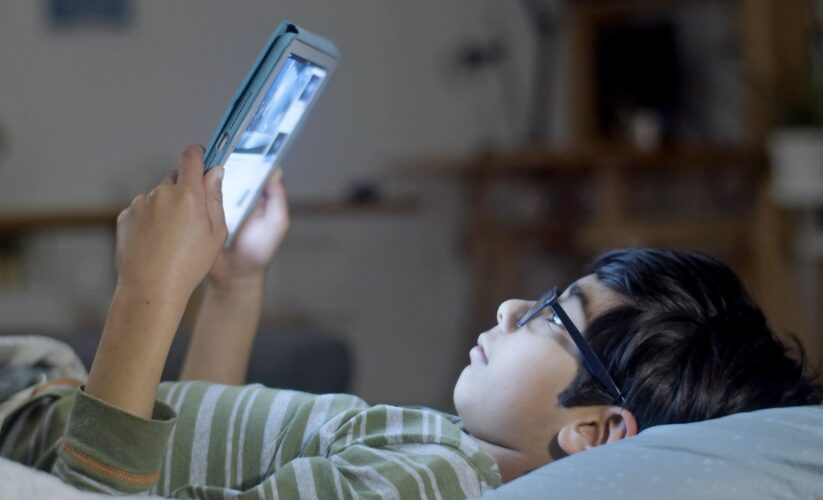
As a psychiatrist, I often see the “invisible” tethers that bind my patients to their screens. In 2026, the smartphone is no longer just a tool; it is a digital appendage. But while it connects us to the world, it is increasingly disconnecting us from our biological and emotional health.
Recent clinical data suggests a troubling correlation: as our daily mobile usage climbs, so do the rates of cardiovascular distress and clinical depression. Here is the medical perspective on why your “harmless” scrolling might be breaking both your heart and your mind.
1. The “Digital Heart”: Why Your Phone Affects Your Pulse
It sounds like a stretch to link a social media app to a heart attack, but the physiological bridge is quite short. The primary culprits are autonomic dysregulation and chronic sedentary behavior.
The Stress Response: Every “ping,” “like,” or stressful news headline triggers a micro-dose of cortisol and adrenaline. When this happens hundreds of times a day, your body stays in a state of “high alert.” Studies in 2025-2026 have shown that high smartphone users exhibit significantly higher resting heart rates and elevated blood pressure (systolic and diastolic) compared to low users.
Heart Rate Variability (HRV): Prolonged mobile use is linked to reduced HRV—a key marker of heart health. Low HRV means your heart is less resilient to stress, which is a known precursor to arrhythmias and, eventually, cardiovascular events.
The Sedentary Trap: We often use our phones while sitting or lying down. New research from Mass General Brigham confirms that even if you exercise later, sitting for 10+ hours a day (often fueled by screen time) increases the risk of heart failure by up to 60%.
2. The “Dopamine Desert”: Mobile Use and Depression
From a psychiatric standpoint, the smartphone is a “dopamine slot machine.” However, constant stimulation eventually leads to receptor downregulation—effectively numbing your ability to feel joy from real-world experiences.
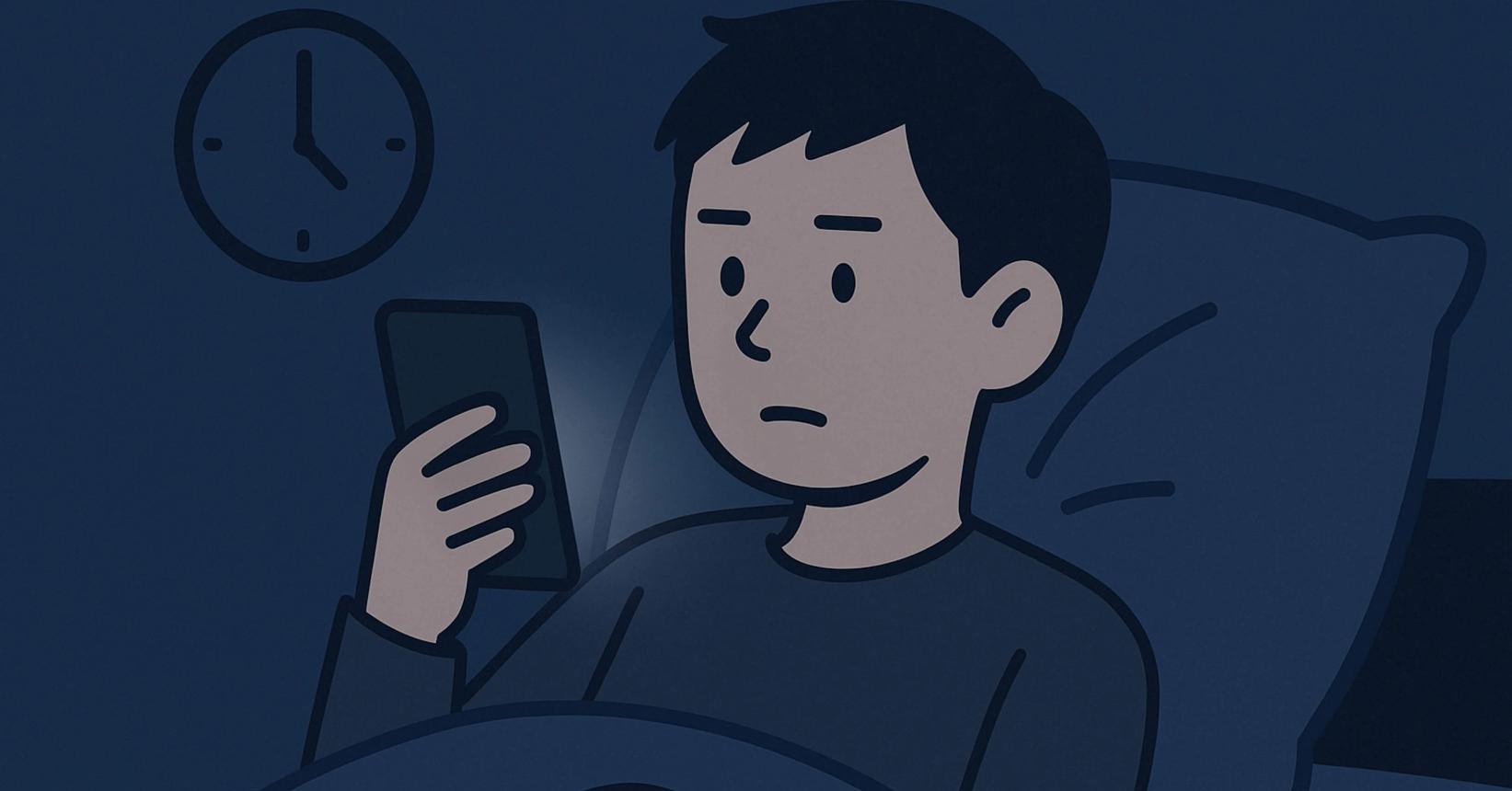
Circadian Disruption: The blue light from your screen suppresses melatonin and spikes cortisol at night. This “circadian mismatch” is a direct expressway to depression. When you don’t sleep, your brain’s white matter (the “wiring” for emotional regulation) can actually undergo structural changes.
Social Comparison & Isolation: We are “socially snacking” but “nutritionally starving.” Digital interactions lack the oxytocin-rich rewards of face-to-face contact. This leads to a profound sense of loneliness, which is as physically damaging as smoking 15 cigarettes a day.
The Dose-Response Relationship: Longitudinal studies now show a clear “dose-dependent” link: for every hour of recreational screen time beyond two hours, the risk of depressive symptoms in adolescents and young adults rises significantly.

| Action | Medical Benefit |
| The 20-20-20 Rule | Every 20 mins, look 20 feet away for 20 seconds to lower sympathetic nervous system arousal. |
| The Sunset Rule | No screens 90 minutes before bed to allow melatonin to rise naturally. |
| Physical Buffering | Never use the phone while eating or walking; keep movement and digital consumption separate. |
| Gray-Scale Mode | Removing color makes the “slot machine” less addictive, lowering cortisol spikes. |
Final Thought
Your heart and your mind were designed for a world of movement and real connection. If you find your heart racing at a notification or your mood plummeting after an hour of scrolling, listen to your body. It is telling you what the data already knows: It’s time to look up.