
“Do I Have ADHD?” — Why Your Instagram Reels Feed Is Sending the Wrong People to the Wrong Diagnosis
By Dr Naazneen
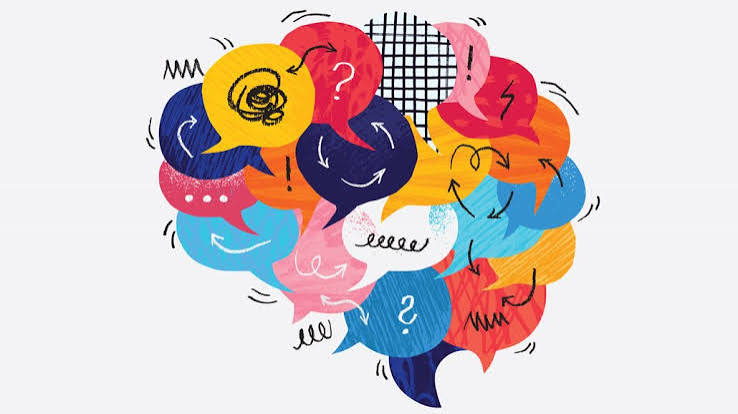
If your Reels feed has been full of “5 signs you have ADHD” videos lately, you’re not alone. ADHD content has exploded across Instagram and YouTube Shorts, and a new wave of viral self-tests has doctors genuinely concerned. In March 2026, researchers published a paper bluntly titled “Diagnosis (and Overdiagnosis) of ADHD: Fiction, Fad, and Failure” — and it’s sparked exactly the kind of debate you’d expect.
As a psychiatrist, I want to unpack why this trend feels so convincing, why it’s often wrong, and what actually separates “I relate to this Reel” from an actual ADHD diagnosis.
Why These Self-Tests Feel So Accurate (Even When They Aren’t)
There’s a real psychological reason these videos hook people: it’s called the Barnum effect — descriptions vague enough to apply to almost anyone end up feeling eerily personal. “You zone out in conversations.” “You procrastinate, then panic.” Nearly everyone nods along, because distraction, restlessness, and forgetfulness are universal human experiences. What actually defines ADHD isn’t the presence of these traits — it’s their severity, persistence, and impact on daily functioning, details a 30-second Reel simply can’t capture.
Add in the algorithm: watch one ADHD video, and your feed quietly becomes an ADHD echo chamber, with each new video feeling like “another sign.”

The Real Numbers
Researchers estimate ADHD affects roughly 5.4% of children and teens worldwide — about one to two students per classroom. That’s a far cry from the “basically everyone has it” impression social media can create. At the same time, some experts argue ADHD is still underdiagnosed in certain groups — particularly women and adults missed entirely as children. Both overdiagnosis and underdiagnosis are live concerns, which is exactly why self-tests can’t settle the question either way.
What Gets Misdiagnosed as ADHD
In clinic, when someone comes in convinced they have ADHD because of a Reel, a proper evaluation often reveals something else entirely:
- Anxiety — racing thoughts and poor concentration, but driven by worry, not attention regulation
- Depression — low motivation and brain fog that look like inattentiveness
- Chronic stress or work burnout — forgetfulness and restlessness from an overloaded nervous system
- Sleep deprivation — genuinely mimics ADHD symptoms almost perfectly
- Actual ADHD — for some, the video really was the first accurate signal they’d ever gotten
That last point matters: recognition content has helped real people, especially those historically missed by clinicians, finally seek an evaluation. The problem isn’t curiosity — it’s mistaking curiosity for a confirmed diagnosis.
Why Self-Diagnosis Isn’t a Substitute for Assessment
A self-diagnosis carries no clinical weight — it can’t unlock the right medication, accommodations, or treatment plan, because it hasn’t ruled out the other conditions that mimic ADHD so closely. Getting it wrong in either direction has real costs: treating anxiety with ADHD strategies (or vice versa) usually doesn’t work, and can delay the care that would actually help.
If a Reel has made you seriously question your focus, memory, or restlessness, that instinct is worth taking further — with a structured clinical evaluation, not another quiz. If you’ve been searching for a psychiatrist in Andheri or a psychiatrist in Mumbai to get a proper ADHD assessment, that’s the right next step — a full history, validated screening tools, and a conversation about how these symptoms actually show up in your daily life.
What an Actual ADHD Evaluation Looks Like
- Detailed history — symptoms since childhood, not just the last few weeks
- Functional impact — how attention issues affect work, relationships, and daily tasks specifically
- Ruling out overlaps — anxiety, depression, sleep disorders, and stress are checked first
- Validated screening tools — structured, evidence-based, not a 30-second video
- A collaborative treatment plan — therapy, lifestyle strategies, and medication only if appropriate
Final Thoughts
Social media has done something genuinely useful: it’s made ADHD part of the conversation and pushed people who were quietly struggling to finally ask questions. But a relatable Reel is a starting point, not a diagnosis. If you’re in Mumbai and this trend has made you wonder about your own focus or mood, a proper evaluation with a psychiatrist in Mumbai or psychiatrist in Andheri can give you real clarity — not just another algorithm telling you what you want to hear.