Depression and Mental Health: Understanding the Connection and Finding Hope
By Dr Naazneen

Depression and Mental Health are deeply connected, yet many people misunderstand what depression truly is. Feeling sad after a difficult event is a normal human emotion, but depression is a medical condition that affects how a person thinks, feels, behaves, and functions in daily life. It can interfere with relationships, work, education, sleep, and even physical health if left untreated.
As a psychiatrist, I often meet individuals who have silently struggled for months or even years before seeking help. Many believe that they simply need to “be stronger” or that their feelings will disappear with time. In reality, depression is a treatable mental health condition, and early intervention significantly improves recovery.
If you or someone you know has been experiencing persistent sadness, loss of motivation, or emotional exhaustion, understanding depression is the first step towards healing.
What is Depression?
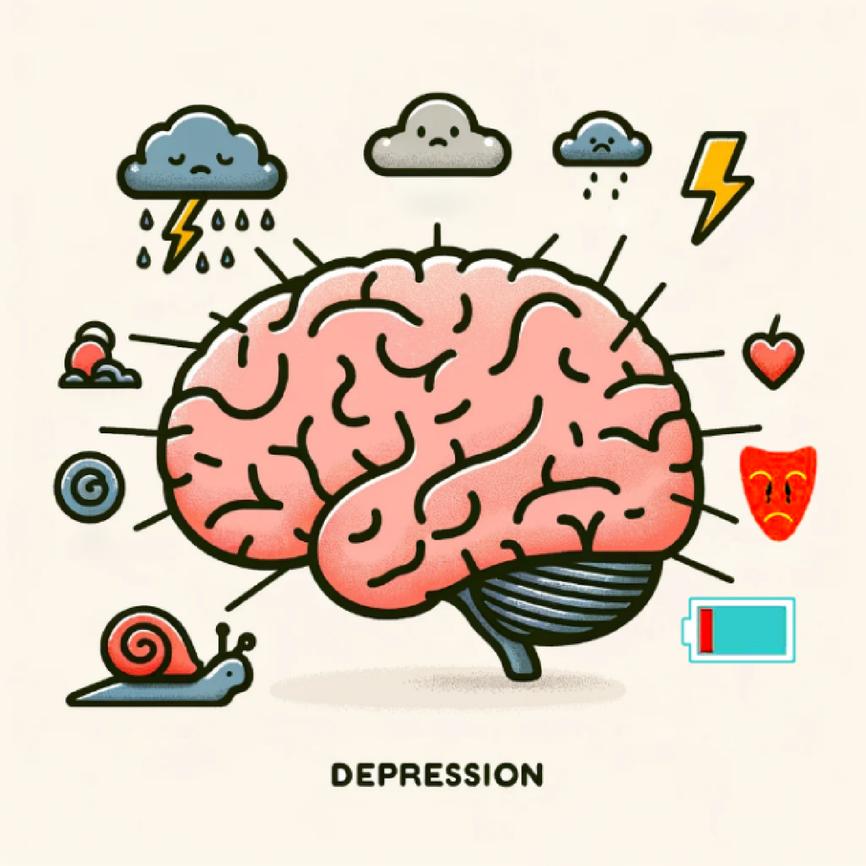
Depression, clinically known as Major Depressive Disorder, is more than temporary sadness. It is a complex mental health condition involving changes in brain chemistry, emotional regulation, and overall functioning.
A person with depression may lose interest in activities they once enjoyed, struggle with concentration, experience changes in appetite or sleep, and feel hopeless about the future. These symptoms usually persist for at least two weeks and often continue much longer without proper treatment.
Depression affects people of every age, gender, and background. It is not a sign of weakness, laziness, or failure. Like diabetes or hypertension, depression is a health condition that deserves timely diagnosis and appropriate medical care.
Common Symptoms of Depression
Depression can present differently in every individual. Some people experience emotional symptoms, while others primarily notice physical discomfort.
Common symptoms include:
- Persistent sadness or emptiness
- Loss of interest in hobbies and daily activities
- Constant fatigue despite adequate rest
- Difficulty concentrating or making decisions
- Feelings of guilt or worthlessness
- Changes in appetite and body weight
- Sleeping too much or struggling with insomnia
- Irritability or emotional outbursts
- Reduced confidence and self-esteem
- Thoughts of death or suicide in severe cases
Not every person experiences all these symptoms, but when several continue for weeks and interfere with everyday life, professional evaluation becomes important.
Understanding Mental Health Beyond Depression
Mental health refers to emotional, psychological, and social well-being. It influences how we handle stress, build relationships, make decisions, and respond to life’s challenges.
Depression is only one part of mental health. Conditions such as Anxiety Disorder and chronic stress often exist alongside depression, making symptoms more complicated. Individuals with untreated depression may also experience panic attacks, social withdrawal, low productivity, and declining physical health.
Maintaining good mental health involves balancing emotional resilience, healthy coping mechanisms, supportive relationships, adequate sleep, proper nutrition, and timely professional care whenever needed.
What Causes Depression?
Depression rarely develops because of a single reason. Instead, it usually results from multiple biological, psychological, and environmental factors working together.
Some common causes include:
Biological Factors
Genetics can increase the likelihood of developing depression. Brain chemicals responsible for mood regulation may also become imbalanced.
Psychological Factors
Individuals with low self-esteem, perfectionism, or unresolved emotional trauma are often more vulnerable.
Life Events
Major life changes such as losing a loved one, relationship breakdowns, financial stress, chronic illness, workplace pressure, or academic challenges may trigger depressive episodes.
Medical Conditions
Chronic diseases such as thyroid disorders, diabetes, neurological illnesses, and hormonal changes may contribute to depression.
Recognising these contributing factors helps create a personalised treatment plan that addresses the root cause rather than only the symptoms.
The Impact of Depression on Physical Health
Many people are surprised to learn that depression affects the body as much as the mind.
People living with depression frequently report:
- Persistent headaches
- Muscle tension
- Digestive disturbances
- Chronic fatigue
- Reduced immunity
- Increased inflammation
- Sleep disorders
- Changes in heart health
When emotional distress remains untreated, physical symptoms often become more noticeable, leading people to seek treatment for physical complaints before recognising the underlying mental health condition.
When Should You Seek Professional Help?
Seeking help early often prevents depression from becoming more severe.
Consider consulting a psychiatrist if:
- Symptoms persist for more than two weeks.
- Daily functioning becomes difficult.
- Work or academic performance declines.
- Relationships are suffering.
- You constantly feel hopeless or emotionally numb.
- You experience thoughts of self-harm or suicide.
Early diagnosis improves treatment outcomes and reduces the likelihood of recurring depressive episodes.
How Depression is Diagnosed
A psychiatrist performs a detailed clinical assessment that includes:
- Medical history
- Emotional symptoms
- Behavioural patterns
- Sleep and appetite changes
- Family history
- Physical health evaluation
- Psychological assessment
There is no single blood test that diagnoses depression. Instead, diagnosis depends on careful clinical evaluation while excluding medical conditions that may mimic depressive symptoms.
Effective Treatment Options
The good news is that depression is highly treatable.
Treatment may include:
Psychiatric Consultation
A comprehensive evaluation helps determine the severity of depression and the most suitable treatment approach. If you’re considering a Psychiatrist Consultation, early assessment can make a significant difference in long-term recovery.
Psychotherapy
Evidence-based therapies such as Cognitive Behavioural Therapy (CBT), Interpersonal Therapy (IPT), and supportive psychotherapy help individuals identify negative thought patterns and develop healthier coping strategies.
Medication
Antidepressant medications may be recommended depending on symptom severity. Modern medications are generally safe when prescribed and monitored by qualified psychiatrists.
Lifestyle Modifications
Healthy habits complement medical treatment:
- Regular exercise
- Balanced nutrition
- Consistent sleep schedule
- Mindfulness practices
- Limiting alcohol and substance use
- Social connection
Mental Health Counselling
Professional Mental Health Counselling provides ongoing emotional support, stress management techniques, and practical coping strategies that enhance long-term recovery.
Breaking the Stigma Around Depression
Unfortunately, stigma continues to prevent many individuals from seeking help.
Depression is not:
- A personality flaw
- Lack of willpower
- Weak character
- Something to “snap out of”
Just as people seek treatment for physical illnesses, emotional health deserves equal attention and compassion. Open conversations about mental health encourage earlier intervention and healthier communities.
Supporting Someone with Depression
If someone close to you is experiencing depression:
- Listen without judgement.
- Encourage professional help.
- Avoid minimising their feelings.
- Offer practical assistance when needed.
- Stay connected consistently.
- Be patient throughout recovery.
Supportive relationships often become an important part of successful treatment.
Recovery is Possible
Recovery from depression is rarely immediate, but it is absolutely achievable. Many individuals return to fulfilling, productive, and meaningful lives with appropriate treatment and continued support.
Healing is not about eliminating every difficult emotion; it is about regaining emotional balance, rebuilding confidence, and learning healthier ways to navigate life’s challenges.
If you or a loved one is experiencing symptoms of depression, remember that seeking professional help is a sign of strength—not weakness.
For compassionate psychiatric care, trusted guidance, and evidence-based mental health support, visit <u>mindtree.org.in</u> and take the first step towards better emotional well-being. Early intervention can transform lives, and no one has to face depression alone.