Therapy Speak: Is Social Media Helping You Understand Yourself, or Misdiagnose Yourself?
By Dr Naazneen

“My ex was definitely a narcissist.”
“I think I have ADHD because I lose focus.”
“That was so triggering.”
“She’s gaslighting everyone.”
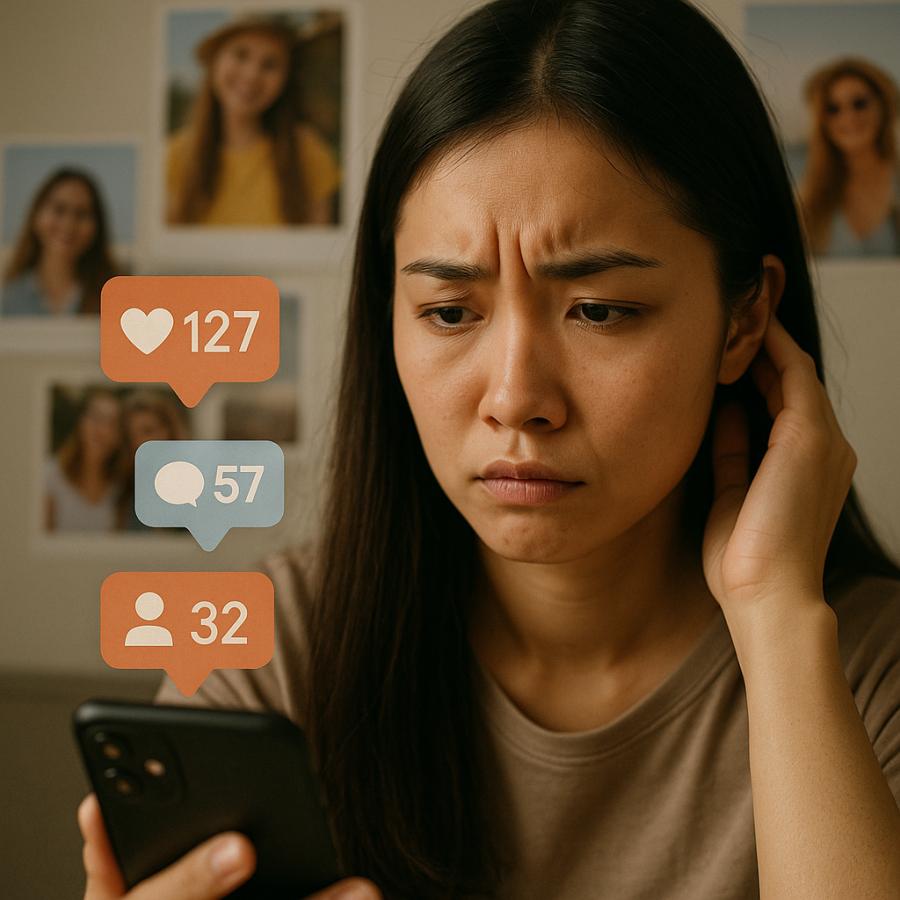
Scroll through social media for just a few minutes, and you’ll probably hear these words.
Psychology has become part of everyday conversation.
In many ways, that’s a positive change.
People are talking more openly about emotions.
Mental health stigma has reduced.
More people are seeking therapy than ever before.
But as a psychiatrist, I’ve also noticed another trend.
Many psychological terms are now being used so casually that they’ve started losing their original meaning.
This phenomenon is often called “therapy speak.”
What Is Therapy Speak?
Therapy speak refers to the growing use of psychological and therapy-related language in everyday conversations.
Words like:
- Trauma
- Gaslighting
- Narcissist
- Triggered
- Boundaries
- Attachment style
- ADHD
- Anxiety
- Burnout
are now commonly used on social media, podcasts, and even in casual conversations.
Learning these concepts can help people understand themselves better.
The challenge begins when complex clinical ideas become simplified into quick labels.
When Awareness Becomes Self-Diagnosis
Imagine watching a 30-second video that lists five signs of ADHD.
You recognise three of them.
Suddenly you wonder:
“Do I have ADHD?”
But many experiences—forgetfulness, stress, poor sleep, or distraction—can have different explanations.
A diagnosis isn’t based on one symptom.
It’s based on a detailed evaluation that considers how symptoms affect different areas of life over time.
Why These Videos Feel So Convincing
Our brains naturally look for patterns.
When we hear a description that resembles our own experiences, we quickly connect with it.
That’s normal.
But recognising yourself in a video isn’t the same as receiving a diagnosis.
Mental health conditions often overlap.
The same symptom can have multiple causes.
The Problem With Overusing Labels
Words have power.
When terms are used inaccurately, they can create confusion.
For example:
Someone who forgets plans isn’t necessarily experiencing ADHD.
A disagreement isn’t automatically gaslighting.
Being selfish doesn’t always mean someone has narcissistic personality disorder.
Feeling stressed after a difficult day isn’t the same as trauma.
Using these words too broadly may unintentionally minimise the experiences of people who genuinely live with these conditions.
Social Media Isn’t a Therapy Room
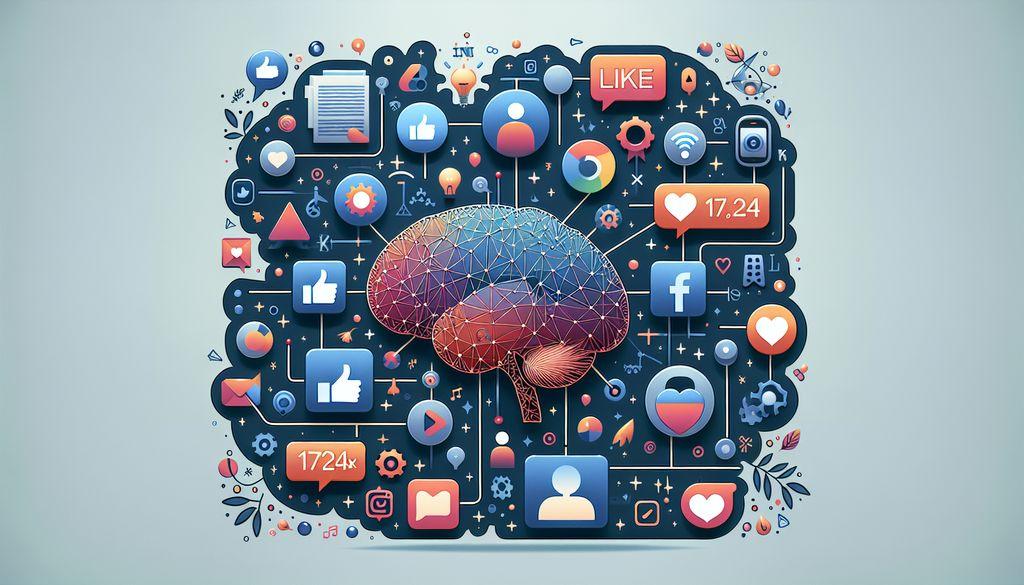
Social media works in short videos.
Therapy works through conversation, context, and careful assessment.
A 45-second reel cannot fully explain years of emotional experiences, personality, relationships, medical history, or life circumstances.
Educational content can start important conversations.
It cannot replace professional assessment.
So Should We Ignore Mental Health Content?
Not at all.
Mental health education has helped millions of people realise they deserve support.
The goal isn’t to stop learning.
The goal is to stay curious rather than certain.
Instead of asking,
“This video proves I have ADHD.”
Try asking,
“This sounds familiar. Is it worth discussing with a qualified mental health professional?”
That small shift makes a big difference.
How to Use Mental Health Content Wisely
Learn, don’t label.
Education is valuable.
Diagnosis requires evaluation.
Notice patterns over time.
One stressful week doesn’t necessarily indicate a mental health disorder.
Persistent symptoms deserve attention.
Follow qualified professionals.
Choose creators who explain concepts with nuance and encourage professional support when appropriate.
Avoid diagnosing others online.
It’s tempting to label difficult people.
But human behaviour is usually more complex than a single word.
A Psychiatrist’s Perspective
The rise of therapy speak shows something encouraging.
People care about mental health.
They want to understand themselves.
That curiosity is valuable.
But understanding begins with questions—not conclusions.
If you’re concerned that your symptoms are affecting your work, relationships, studies, or daily functioning, seeking a professional evaluation is far more helpful than relying on social media alone.
Final Thoughts
Social media has made psychology more accessible than ever.
That’s something worth celebrating.
But mental health isn’t a trend.
It’s deeply personal.
A video can introduce an idea.
A conversation can change a life.
Use social media to become more informed.
Not to become your own psychiatrist.