Why Does Everything Feel Like a Crisis? The Psychology of Living in a Constant State of Alert
By Dr Naazneen

Have you noticed that even on ordinary days, your mind struggles to relax?
You wake up and check your phone.
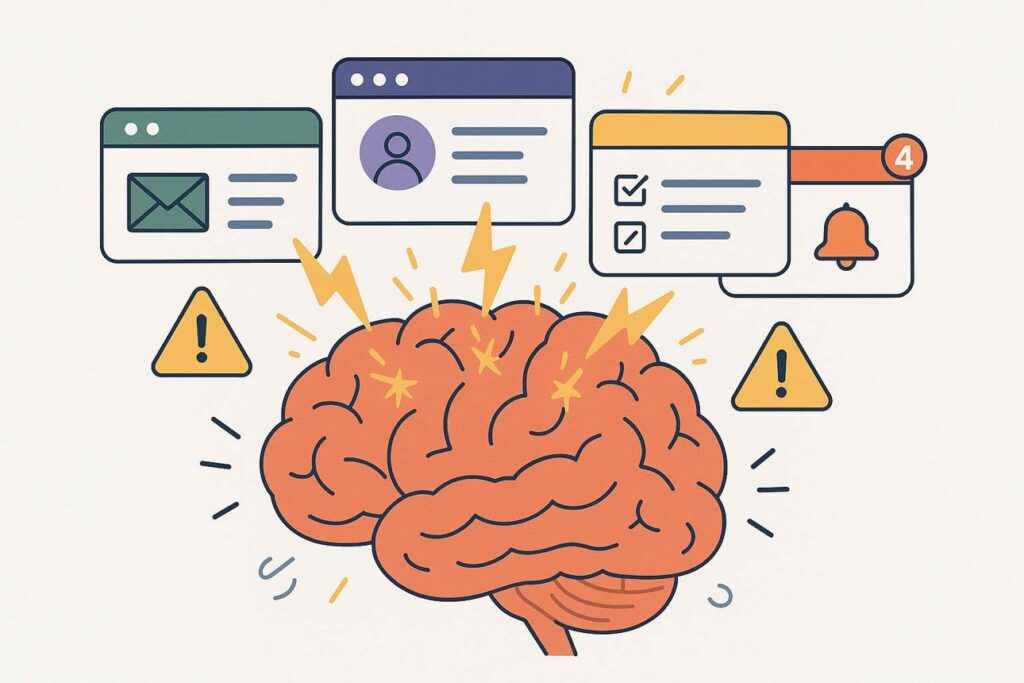
There are news alerts, work messages, emails, missed calls, AI updates, market news, and endless notifications before you’ve even finished breakfast.
By the end of the day, nothing catastrophic may have happened.
Yet your body feels as if it has been preparing for an emergency all day.
As a psychiatrist, I hear people describe this feeling more often than ever:
“I don’t know what’s wrong. Nothing is actually happening… but I feel constantly tense.”
The truth is, your brain isn’t designed to process an endless stream of uncertainty.
Your Brain Can’t Tell the Difference Between Immediate Danger and Constant Uncertainty
Our brains evolved to respond to short-term threats.
Imagine hearing a loud noise while walking alone.
Your heart races.
Your muscles tense.
Your attention sharpens.
Once the danger passes, your body is supposed to return to its normal state.
Modern life rarely gives us that opportunity.
Instead of one threat, we’re exposed to hundreds of small stressors throughout the day:
- Breaking news
- Financial worries
- Work deadlines
- Family responsibilities
- Social media debates
- AI changing jobs
- Health concerns
- Global conflicts
None of these may require immediate action, but your brain still processes them as important.
Eventually, your nervous system stays switched on.
The Invisible Stress We Don’t Notice
Not all stress looks dramatic.
Sometimes it’s:
- Reading negative headlines before bed.
- Constantly checking WhatsApp.
- Waiting for an important email.
- Feeling pressure to stay productive.
- Comparing your life with everyone else’s online.
Each one adds another drop to an already full bucket.
Over time, the bucket overflows.
Signs Your Brain Is Living in Survival Mode
You may notice that you:
- Feel tired even after sleeping.
- Find it difficult to switch off.
- Overreact to small inconveniences.
- Struggle to concentrate.
- Feel restless during quiet moments.
- Constantly expect something to go wrong.
These experiences don’t necessarily mean you have an anxiety disorder.
Sometimes they reflect a brain that has spent too long in a heightened state of alert.
Why Rest Doesn’t Feel Restful
Many people tell me,
“I took a day off, but I still feel exhausted.”
That’s because the mind doesn’t recover simply by stopping work.
Recovery happens when the nervous system feels safe enough to relax.
If your brain is still worrying about tomorrow’s meeting, unread emails, or the next notification, physical rest alone may not feel restorative.
How to Calm a Brain That Never Switches Off
You don’t have to disconnect from the world.
But you can create moments where your brain isn’t expected to react.
Try these small changes:
- Delay checking your phone after waking up.
- Limit exposure to breaking news throughout the day.
- Take short walks without headphones.
- Finish one task before starting another.
- Build small moments of silence into your routine.
Your brain doesn’t need constant stimulation.
It also needs recovery.
A Psychiatrist’s Perspective
Feeling mentally overwhelmed doesn’t mean you’re weak.
It doesn’t mean you’re failing.
It may simply mean your brain has been adapting to a world that rarely pauses.
If this constant sense of alertness is interfering with your sleep, relationships, work, or daily life, or is accompanied by persistent anxiety or low mood, it’s important to seek professional help.
Sometimes what feels like “just stress” deserves a closer look.
Final Thoughts
We cannot control every headline.
We cannot predict every change.
We cannot eliminate uncertainty.
But we can choose how much of it we allow into our minds each day.
Your brain was designed to help you survive.
It also deserves the chance to feel safe.
And in today’s world, creating that sense of safety may be one of the most important acts of self-care.