FOPO: Are You Living for Other People’s Opinions?
By Dr Naazneen

“What if they don’t like it?”
“What if people judge me?”
“What if I embarrass myself?”
“Maybe I shouldn’t post it after all.”
Have you ever stopped yourself from speaking in a meeting, wearing something you loved, applying for a new opportunity, or sharing your opinion because you were worried about what others might think?
If your answer is yes, you’re not alone.
As a psychiatrist, I often meet people who aren’t held back by a lack of ability.
They’re held back by something much quieter.
The fear of being judged.
Recently, this experience has gained a name that’s becoming increasingly popular in psychology and personal development:
FOPO — Fear of People’s Opinions.
Although FOPO is not a medical diagnosis, it describes a pattern many people recognise in themselves.
What Is FOPO?
FOPO stands for Fear of People’s Opinions.
It describes the tendency to let other people’s approval, criticism, or expectations shape how we think, behave, and make decisions.
Everyone cares about what others think to some extent.
That’s part of being human.
The problem begins when other people’s opinions become more important than your own values.
Why Our Brains Care So Much
Thousands of years ago, being accepted by a group increased the chances of survival.
Rejection could have serious consequences.
Our brains still carry traces of that evolutionary wiring.
Today, rejection usually isn’t life-threatening.
Yet our nervous system often reacts as though it is.
A critical comment.
A negative review.
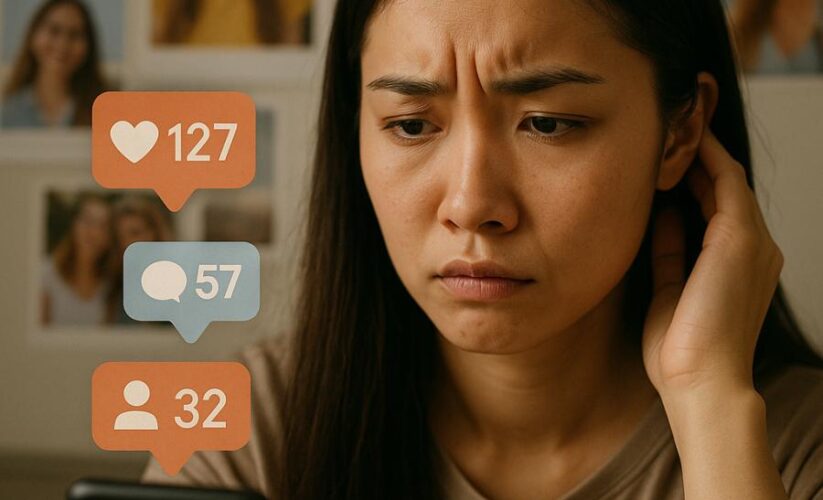
A social media post with little engagement.
An awkward conversation.
They can all feel disproportionately significant because our brains are highly sensitive to social evaluation.
How Social Media Has Amplified FOPO
Years ago, feedback came from a relatively small circle of people.
Now, anyone can comment.
Everyone can compare.
Every post can be measured.
Likes.
Comments.
Shares.
Followers.
Views.
Without realising it, we begin treating these numbers as evidence of our worth.
The result?
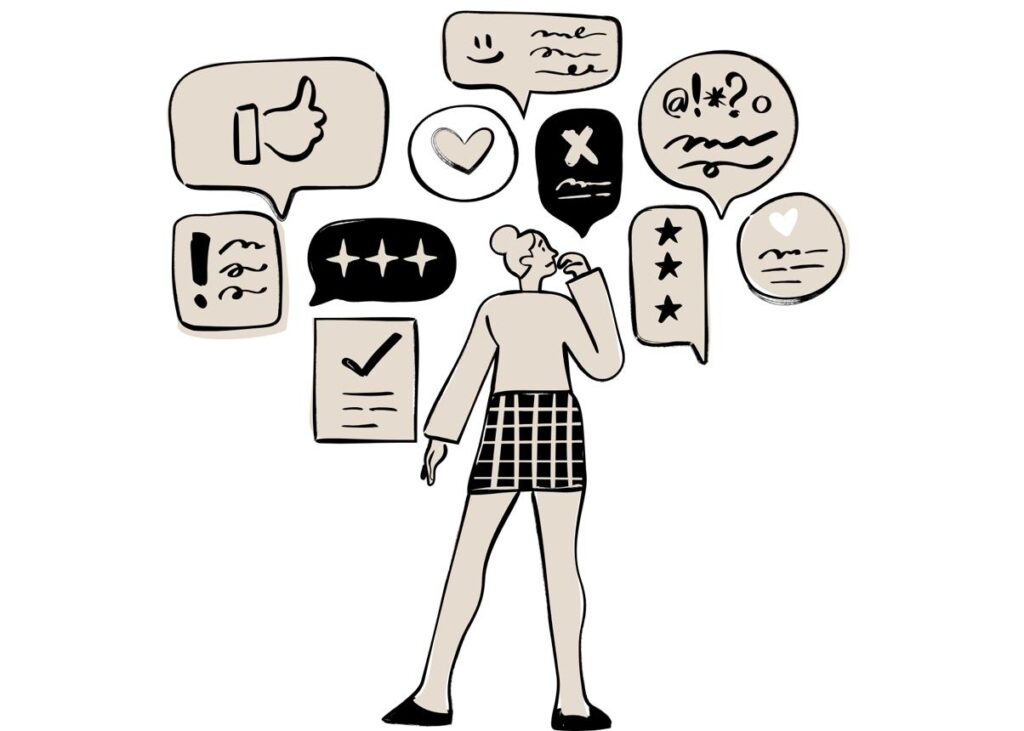
Many people start making decisions based on anticipated reactions rather than personal values.
Signs You Might Be Living With FOPO
You might recognise some of these patterns:
- You rehearse conversations repeatedly before speaking.
- You delete posts if they don’t receive enough engagement.
- You apologise even when you’ve done nothing wrong.
- You struggle to say no because you don’t want to disappoint anyone.
- You avoid trying new things for fear of criticism.
- You change your opinions depending on who you’re with.
- You spend more time worrying about people’s reactions than your own happiness.
These experiences don’t necessarily indicate a mental illness.
But they can reduce confidence, increase anxiety, and limit personal growth.
The Cost of Constant Approval-Seeking
When your decisions revolve around avoiding judgment, something important happens.
You stop asking:
“What do I want?”
And start asking:
“What will people think?”
Over time, this can lead to:
- Chronic self-doubt
- Emotional exhaustion
- Perfectionism
- Difficulty making decisions
- Low self-esteem
- People-pleasing
- Anxiety in social situations
The more you seek approval, the harder it becomes to trust your own judgment.
How to Break Free From FOPO
1. Pause Before Seeking Reassurance
The next time you’re about to ask,
“Do you think this is okay?”
Ask yourself first,
“What do I think?”
Learning to trust your own opinion is an important step toward building confidence.
2. Accept That Not Everyone Will Agree
No matter how thoughtful, kind, or talented you are, you cannot control how everyone perceives you.
Disagreement is a normal part of life—not evidence that you’ve failed.
3. Notice Your Values
When making a decision, ask:
“Am I choosing this because it matters to me—or because I’m trying to avoid criticism?”
This simple question can shift your focus from approval to authenticity.
4. Limit Comparison
Social media often magnifies the feeling that everyone else is more successful, attractive, or confident.
Remember, you’re comparing your everyday reality with someone else’s carefully edited highlights.
5. Practice Small Acts of Authenticity
Express your opinion.
Wear what you like.
Say no when necessary.
Share your ideas.
Confidence doesn’t appear overnight.
It grows through repeated experiences of being yourself.
A Psychiatrist’s Perspective
Caring about what others think isn’t a weakness.
It’s part of being human.
The challenge arises when the fear of judgment begins making your decisions for you.
If worries about other people’s opinions are causing persistent distress, affecting your relationships, work, or daily functioning, it may be helpful to speak with a mental health professional.
Building self-esteem isn’t about eliminating fear.
It’s about learning to act according to your values—even when fear is present.
Final Thoughts
People will always have opinions.
Some will admire you.
Some will misunderstand you.
Some won’t notice you at all.
None of those opinions define your worth.
The question isn’t,
“What will people think?”
The better question is,
“Can I respect the person I become by making this choice?”