Digital Validation: Are Likes Becoming Your Self-Esteem?
By Dr Naazneen
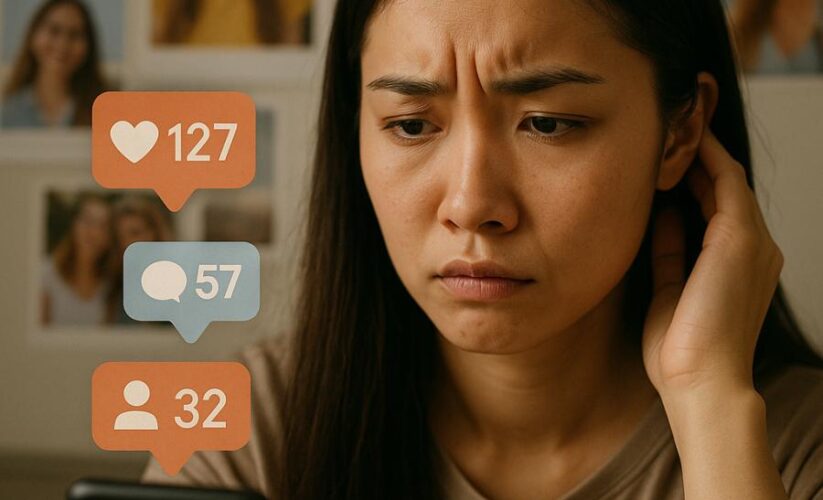
“Why didn’t this post get enough likes?”
“Should I delete it?”
“Maybe I should post it again at a better time.”
“Everyone else’s content seems to do better than mine.”
If these thoughts sound familiar, you’re not alone.
As a psychiatrist, I often see people who believe they’re seeking connection online. But over time, something subtle happens—their self-worth begins to depend on how others respond.
A post performs well, and they feel confident.
A post gets little engagement, and they begin questioning themselves.
The content hasn’t changed.
The person hasn’t changed.
Only the numbers have.
And that’s where digital validation quietly begins to influence mental health.
What Is Digital Validation?
Digital validation is the tendency to measure your worth, success, or acceptance through online reactions.
These reactions include:
- Likes
- Comments
- Shares
- Followers
- Views
- Story replies
- Reposts
None of these are inherently harmful.
In fact, receiving appreciation can feel rewarding.
The problem begins when online engagement becomes the primary way you decide whether you’re “good enough.”
Why Our Brains Crave Validation
Human beings are naturally wired to seek acceptance.
For thousands of years, belonging to a group increased our chances of survival.
Feeling accepted still matters today.
Social media taps into this very human need.
Every notification, comment, or new follower can feel rewarding because it signals attention and social connection.
The challenge is that these signals are inconsistent.
Some posts receive hundreds of likes.
Others receive very few.
When our mood starts rising and falling with these numbers, self-esteem becomes vulnerable to something we cannot fully control.
When Likes Become More Than Numbers
Think about how often this happens.
You upload a photo.
Within minutes, you check who has liked it.
Then again.
Then again.
You compare it with your previous posts.
You compare it with someone else’s post.
Slowly, your attention shifts from:
“Did I enjoy sharing this?”
to
“Did people approve of it?”
This is the moment external validation starts replacing internal satisfaction.

The Hidden Signs of Digital Validation
Many people don’t realise they’re caught in this cycle because it develops gradually.
You may notice that you:
- Feel disappointed when a post gets low engagement.
- Delete content because it “didn’t perform well.”
- Compare your likes with other people’s.
- Feel anxious before posting.
- Constantly refresh notifications.
- Judge your creativity based on engagement.
- Feel more confident after positive comments.
- Avoid posting because you’re afraid of being ignored.
These experiences are common.
They don’t automatically indicate a mental health disorder.
But they can affect confidence, emotional well-being, and self-esteem over time.
Why Social Media Can Distort Self-Worth
Social media platforms measure engagement.
They do not measure:
Kindness.
Intelligence.
Compassion.
Resilience.
Creativity.
Integrity.
Yet our minds sometimes confuse popularity with personal value.
A post with fewer likes doesn’t mean your ideas matter less.
A viral post doesn’t automatically mean your worth has increased.
Numbers are data.
They are not identity.
The Comparison Cycle
Digital validation often goes hand in hand with comparison.
Someone else’s holiday receives thousands of likes.
A friend’s promotion gets hundreds of congratulatory comments.
An influencer’s reel reaches millions.
Without noticing, your brain begins asking:
“Why not me?”
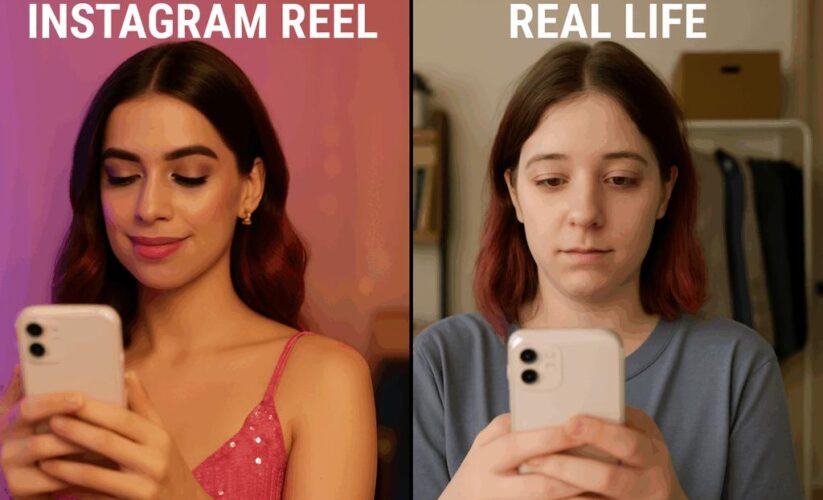
But you’re comparing your behind-the-scenes life with someone else’s carefully selected highlights.
That comparison is rarely fair.
The Cost of Chasing Approval
When self-esteem depends on external validation, emotional stability becomes fragile.
A good day online feels like a good day in life.
A disappointing post feels like personal rejection.
Over time, this can lead to:
- Increased self-doubt
- Anxiety before posting
- Fear of judgment
- Reduced confidence
- Emotional exhaustion
- Constant comparison
- Difficulty enjoying the present moment
The more we chase approval, the harder it becomes to hear our own voice.
Building Self-Esteem Beyond the Screen
The solution isn’t deleting every social media account.
It’s changing the relationship you have with them.
1. Ask Yourself Why You’re Posting
Before sharing something online, pause and ask:
“Am I sharing this because it matters to me—or because I need approval?”
There isn’t always a wrong answer.
But awareness changes behaviour.
2. Don’t Check Immediately
Avoid checking likes or comments the moment you post.
Give yourself time to disconnect from the outcome.
Your value doesn’t change in the first ten minutes after publishing something.
3. Celebrate Offline Achievements
Not every meaningful moment needs an audience.
A thoughtful conversation.
A walk with a friend.
Learning something new.
Helping someone.
These experiences enrich your life whether they’re posted online or not.
4. Curate Your Feed
Follow people who educate, inspire, or make you feel genuinely connected.
If an account consistently leaves you feeling inadequate, consider muting or unfollowing it.
Protecting your mental health is more important than staying updated.
5. Build Internal Validation
Instead of asking,
“Did people like what I did?”
Try asking,
- Did I act according to my values?
- Did I do my best today?
- Am I proud of my effort?
- Did I treat myself with kindness?
These questions build confidence that lasts longer than any notification.
A Psychiatrist’s Perspective
Seeking appreciation is part of being human.
There is nothing wrong with enjoying positive feedback.
The concern arises when your mood, confidence, or identity become dependent on reactions you cannot control.
Healthy self-esteem grows from knowing who you are—not from how many people click a heart icon.
If social media is consistently affecting your confidence, relationships, sleep, or emotional well-being, it may be helpful to step back and reflect on the role it plays in your life. Sometimes, talking to a mental health professional can help you rebuild self-worth from the inside out.
Final Thoughts
Likes disappear.
Algorithms change.
Trends fade.
But your worth is not determined by numbers on a screen.
You are more than your follower count.
More than your engagement rate.
More than your most popular post.
The strongest form of validation is the one that doesn’t require an internet connection.
It’s the quiet confidence that comes from knowing your value—even when nobody is watching.