The Comparison Trap 2.0: It’s Not About Looks Anymore
By Dr Naazneen
“She bought a house at 28.”
“He’s already running a successful business.”
“They’re travelling every month.”
“Everyone seems happier than I am.”
If you’ve ever caught yourself thinking these thoughts after scrolling through social media, you’re not alone.
As a psychiatrist, I often meet people who aren’t struggling because their lives are objectively difficult.
They’re struggling because someone else’s life looks better.
Not in reality.
But on a screen.
Years ago, comparison mostly centred around appearance.
Today, comparison has evolved.
We compare careers, relationships, salaries, fitness, parenting, holidays, productivity, homes, friendships—even happiness itself.
Welcome to Comparison Trap 2.0.
Comparison Has Changed
Humans have always compared themselves with others.
It helped us understand where we belonged within a community.
But social media has changed one important thing.
In the past, we compared ourselves with a relatively small group—our family, friends, neighbours, or colleagues.
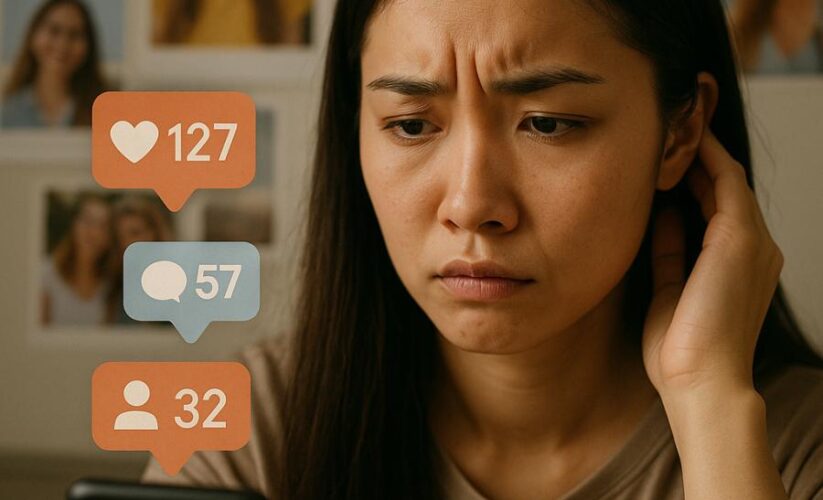
Today, we’re comparing ourselves with thousands of carefully curated lives every single day.
Before breakfast, you might see:
- Someone getting promoted.
- Someone announcing an engagement.
- Someone completing a marathon.
- Someone buying a luxury car.
- Someone launching a business.
- Someone travelling to Europe.
- Someone posting “morning routine” videos that seem effortlessly perfect.
Your brain doesn’t always recognise that you’re looking at highlights.
It simply asks:
“Why am I not there yet?”
The New Currency Isn’t Beauty—It’s Achievement
Comparison today is no longer limited to appearance.
Now we compare:
- Income
- Career success
- Productivity
- Relationships
- Parenting
- Lifestyle
- Followers
- Engagement
- Homes
- Vacations
- Fitness
- Happiness
- Personal growth
The pressure has shifted from “How do I look?”
To
“Am I doing enough?”
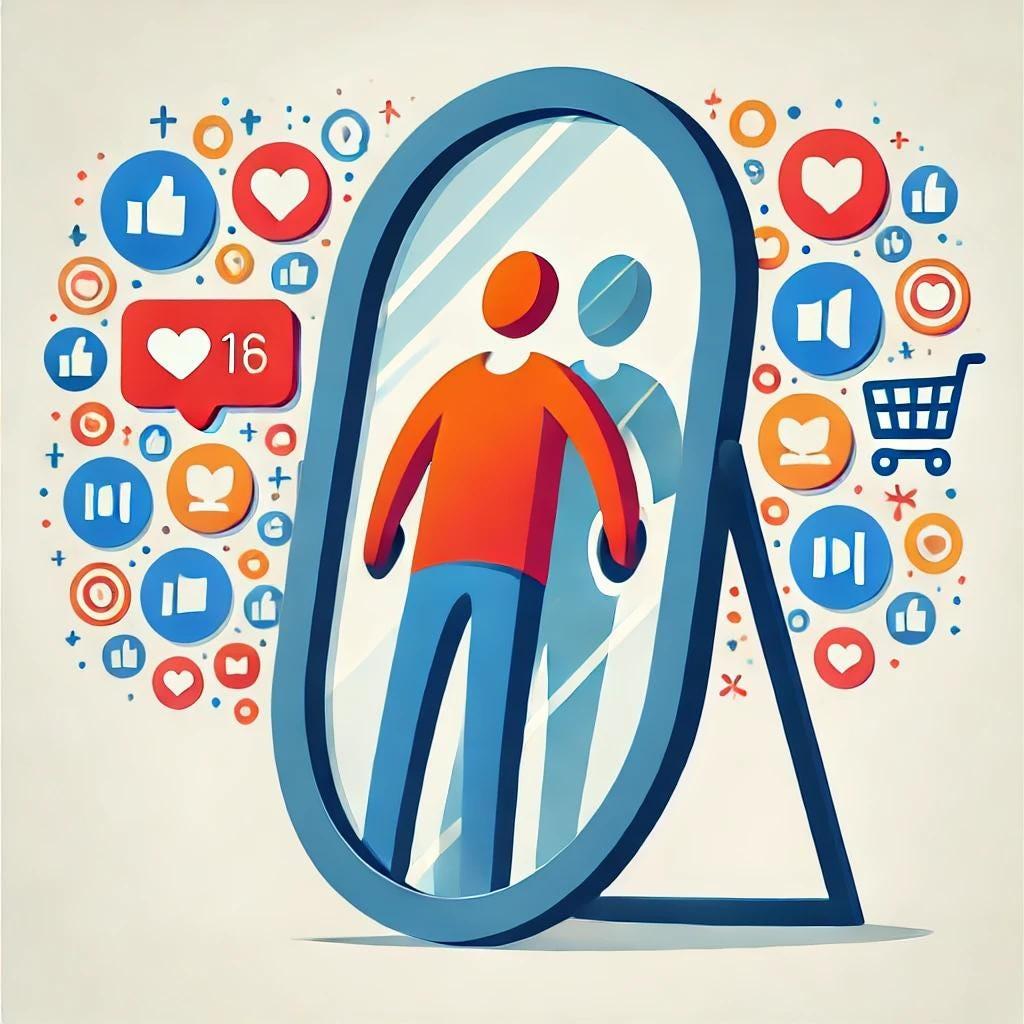
Why Comparison Feels So Personal
Your brain naturally pays attention to people who seem similar to you.
If someone your age gets promoted…
You wonder why you haven’t.
If a friend buys a house…
You question your own progress.
If someone from your college starts a successful company…
You begin measuring your worth against theirs.
Comparison isn’t always logical.
It’s emotional.
The Problem With Highlight Reels
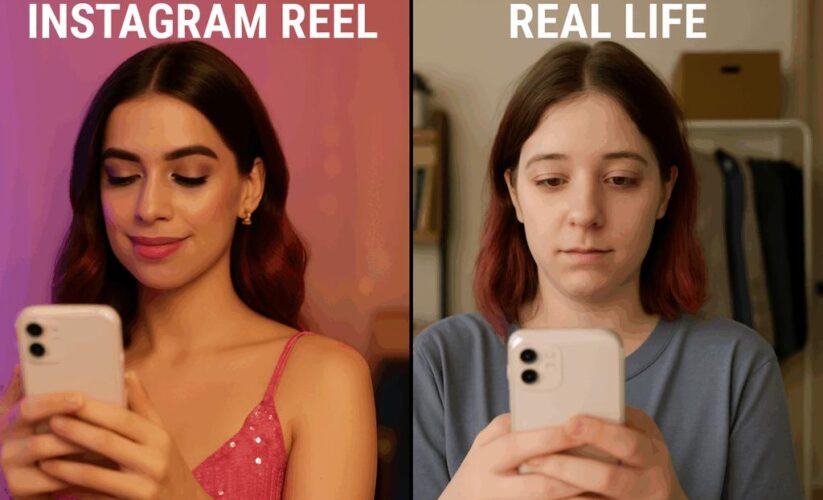
Imagine judging your entire year based on someone else’s best five minutes.
That’s essentially what social media encourages.
People usually share:
Achievements.
Celebrations.
Vacations.
Milestones.
Rarely do we see:
Arguments.
Failures.
Financial worries.
Loneliness.
Self-doubt.
Therapy sessions.
Moments of uncertainty.
Yet our brains compare our everyday reality with someone else’s carefully selected moments.
It’s an unfair comparison from the start.
The Hidden Cost of Constant Comparison
When comparison becomes a habit, it quietly affects mental well-being.
You may notice:
- Feeling “behind” in life.
- Losing confidence in your own achievements.
- Difficulty celebrating others.
- Constant dissatisfaction.
- Increased anxiety about the future.
- Feeling guilty for resting.
- Believing that nothing you do is enough.
These feelings don’t necessarily indicate a mental health disorder.
But they can reduce life satisfaction and increase emotional distress over time.
Success Doesn’t Follow One Timeline
One of the biggest myths social media promotes is that life has a deadline.
Graduate by this age.
Earn this much by thirty.
Get married.
Buy a home.
Have children.
Travel.
Start a business.
Reality doesn’t work that way.
People grow at different speeds.
Life circumstances differ.
Health differs.
Opportunities differ.
Comparing timelines ignores all the invisible factors that shape a person’s journey.
How to Break Free From the Comparison Trap
The goal isn’t to stop admiring others.
It’s to stop measuring your worth through someone else’s milestones.
1. Notice Your Triggers
Ask yourself:
“Whose content leaves me feeling inspired—and whose leaves me feeling inadequate?”
If an account consistently harms your mental well-being, consider unfollowing or muting it.
Protecting your peace is not avoidance.
It’s healthy boundary-setting.
2. Celebrate Quiet Progress
Not every achievement belongs online.
Healing.
Learning.
Growing.
Becoming emotionally stronger.
These victories deserve recognition—even if nobody else sees them.
3. Compare Yourself With Yesterday’s You
Instead of asking,
“Am I ahead of them?”
Ask,
“Am I growing compared with last year?”
That’s a healthier measure of progress.
4. Remember What’s Missing From the Picture
Every post has a frame.
Everything outside that frame remains unseen.
When you remember that, comparison loses much of its power.
5. Practice Gratitude Without Comparison
Take a few minutes each day to notice what is already meaningful in your life.
Gratitude doesn’t erase ambition.
It simply reminds your brain that your life has value today—not only after the next milestone.
A Psychiatrist’s Perspective
Comparison itself isn’t unhealthy.
It can motivate us, inspire growth, and help us learn from others.
The problem begins when comparison becomes the primary way we evaluate our self-worth.
If your confidence rises and falls based on what you see online, it may be time to reconnect with your own values instead of someone else’s timeline.
If comparison is causing persistent anxiety, low mood, withdrawal from relationships, or a loss of interest in daily life, speaking with a mental health professional can help you explore the deeper beliefs driving these feelings.
Final Thoughts
Social media has made it possible to witness thousands of lives.
But it has also made it easier to forget our own.
The person you’re comparing yourself to has challenges you cannot see.
Just as you have strengths they cannot see.
Life isn’t a competition with strangers on the internet.
It’s a relationship with yourself.
And perhaps the healthiest question isn’t:
“Why am I not where they are?”
It’s:
“Am I becoming the person I want to be?”
That question has no algorithm.
Only an honest answer.