Doomscrolling, Brain Rot and Digital Burnout: Why a Psychiatrist in Andheri Is Seeing More of This Than Ever
By Dr Naazneen
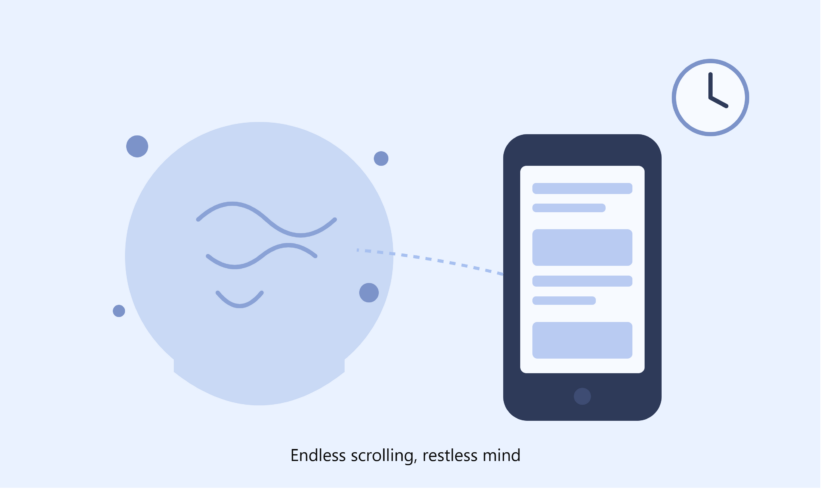
Scroll, scroll, scroll. One more reel, one more headline, one more “just five more minutes.” Then you look up and an hour, sometimes three, is gone, and your head feels foggy, restless, and strangely empty at the same time.
If that sounds familiar, you’re not alone, and you’re not imagining it. “Brain rot” was Oxford’s Word of the Year, “bed rotting” has millions of views on Reels, and terms like digital burnout and doomscrolling are now part of everyday conversation, not just among teenagers, but among working professionals, parents, and students across Mumbai. As a psychiatrist in Andheri, this is one of the most common concerns walking through the clinic door today, often hiding behind complaints like “I just can’t focus anymore” or “I’m tired all the time, but I can’t sleep.”
Let’s unpack why this trend is exploding online, why Andheri residents in particular seem to be feeling it, and when it’s time to talk to a professional.
What Exactly Is Brain Rot and Why Is It Trending
Brain rot refers to the mental fog, shortened attention span, and low mood that comes from consuming large amounts of low value, fast moving digital content, the kind of short form video and infinite scroll feeds that Instagram Reels, YouTube Shorts, and TikTok are built around. It isn’t a clinical diagnosis, but it describes a very real pattern psychiatrists are seeing more of: difficulty concentrating, irritability, disturbed sleep, and a nagging sense of dissatisfaction even after hours online.
Around it, a whole cluster of related trends has taken over social media conversation. Doomscrolling is compulsively scrolling anxiety inducing news or content, unable to stop. Bed rotting is spending extended hours in bed on a phone as a misguided form of self care. Digital burnout is the mental exhaustion of being constantly reachable, notified, and on. Phone or social media addiction is a recognised pattern of compulsive use affecting sleep, work, and relationships.
None of these are fads to dismiss lightly. Research this year has linked heavy social media use with higher rates of anxiety, depression, and sleep disruption, and clinics are reporting a genuine rise in young adults whose symptoms track closely with their screen habits.

Andheri, home to Mumbai’s media, IT, and corporate hub, has a lifestyle that quietly sets people up for this exact problem. Long commutes on local trains or in traffic mean hours spent scrolling out of sheer boredom or fatigue. Hybrid and work from home culture, especially common among Andheri West’s media and tech professionals, blurs the line between work mode and scroll mode with no natural stopping point. High pressure, always online jobs mean notifications don’t stop at 6 pm. Social comparison is amplified in a city where everyone seems to be achieving, posting, and winning online.
If you’ve noticed this pattern in yourself, your partner, or your teenager, it’s worth pausing rather than pushing through.
Signs It’s More Than Just a Bad Habit
A little scrolling isn’t a mental health emergency. But it may be time to consult a psychiatrist in Andheri West if you notice difficulty concentrating on work, reading, or conversations that lasted longer than a few minutes; sleep that’s consistently disrupted by late night scrolling, or a racing mind at bedtime; irritability, low mood, or anxiety that seems to spike after time spent on social media; reaching for your phone the moment you feel bored, anxious, or alone; a sense of guilt or helplessness about how much time is lost to your screen each day; and physical symptoms like headaches, eye strain, neck pain, and restlessness alongside the mental fog.
How a Psychiatrist Can Help You Reclaim Your Mind
The good news is that this pattern is highly treatable, and you don’t need to swear off your phone forever to feel better. At MindTree, mindtree.org.in, Dr. Naazneen Ladak, a psychiatrist in Andheri with over 20 years of clinical experience across the USA and India, works with patients on exactly this kind of digital age distress. Treatment is never one size fits all, and typically draws from a few areas.
A proper clinical assessment helps understand whether what you’re feeling is simple habit, or overlaps with an underlying condition such as generalised anxiety, a stress related problem, or a genuine mobile or internet addiction, all of which are covered on the MindTree services pages. Sleep focused strategies help especially where late night scrolling has disrupted your natural sleep cycle, addressed under MindTree’s sleep related problems service. Structured digital detox planning offers realistic, sustainable limits rather than all or nothing rules. Therapy and counseling help rebuild attention, tolerate boredom without a screen, and address the anxiety that often drives compulsive checking. Medication, when appropriate, is used for those whose focus, mood, or sleep difficulties are more deeply rooted.
Small Steps You Can Try Today
Keep your phone out of the bedroom, charging it outside, and use a separate alarm clock. Set app timers for the platforms that pull you in most. Curate your feed deliberately, unfollowing accounts that leave you feeling worse, not better. Build in boredom time, like a walk, a commute, or a coffee break with no screen at all. Notice the trigger, asking yourself whether you’re reaching for your phone out of habit, anxiety, or genuine interest.
If these steps don’t move the needle after a few weeks, or if you’re noticing persistent low mood, anxiety, or sleep disruption, that’s a signal worth taking seriously rather than waiting out.
Frequently Asked Questions
Is brain rot a real medical diagnosis? No, it’s a popular term, not a clinical one. But the symptoms it describes are real and treatable concerns a psychiatrist can help with.
How do I know if it’s just a habit or something a psychiatrist should look at? If your daily functioning, sleep, mood, or relationships are being affected, and simple self imposed limits aren’t helping, it’s worth a proper consultation rather than guessing.
Do I need medication for this? Not necessarily. Many patients benefit from counseling, structured behavioural changes, and sleep strategies alone. Medication is considered only when there’s an underlying condition that warrants it, decided case by case.
Ready to Talk to Someone
You don’t have to untangle this on your own. If constant scrolling, digital burnout, or its knock on effects on your sleep and mood have started to feel unmanageable, Dr. Naazneen Ladak at MindTree offers a confidential, compassionate space to work through it. Based in Andheri, Mumbai. You can book an appointment or get in touch through mindtree.org.in.